
For millions of people living with depression, traditional antidepressant medications can be life changing. However, for many others, relief is harder to find. When depression does not improve after trying multiple medications, it is often classified as treatment-resistant depression (TRD), a condition that affects a significant portion of patients with major depressive disorder.
Recent research is shedding light on new ways to help these individuals, including innovative treatments like Transcranial Magnetic Stimulation (TMS). A study highlighted by researchers at the Clinical Trials Network and Institute explored how different treatment strategies compare for patients who have not responded to standard antidepressants. The results point to promising outcomes for TMS therapy.
Understanding Treatment-Resistant Depression
Treatment-resistant depression typically occurs when a patient has tried two or more antidepressant medications without significant improvement.
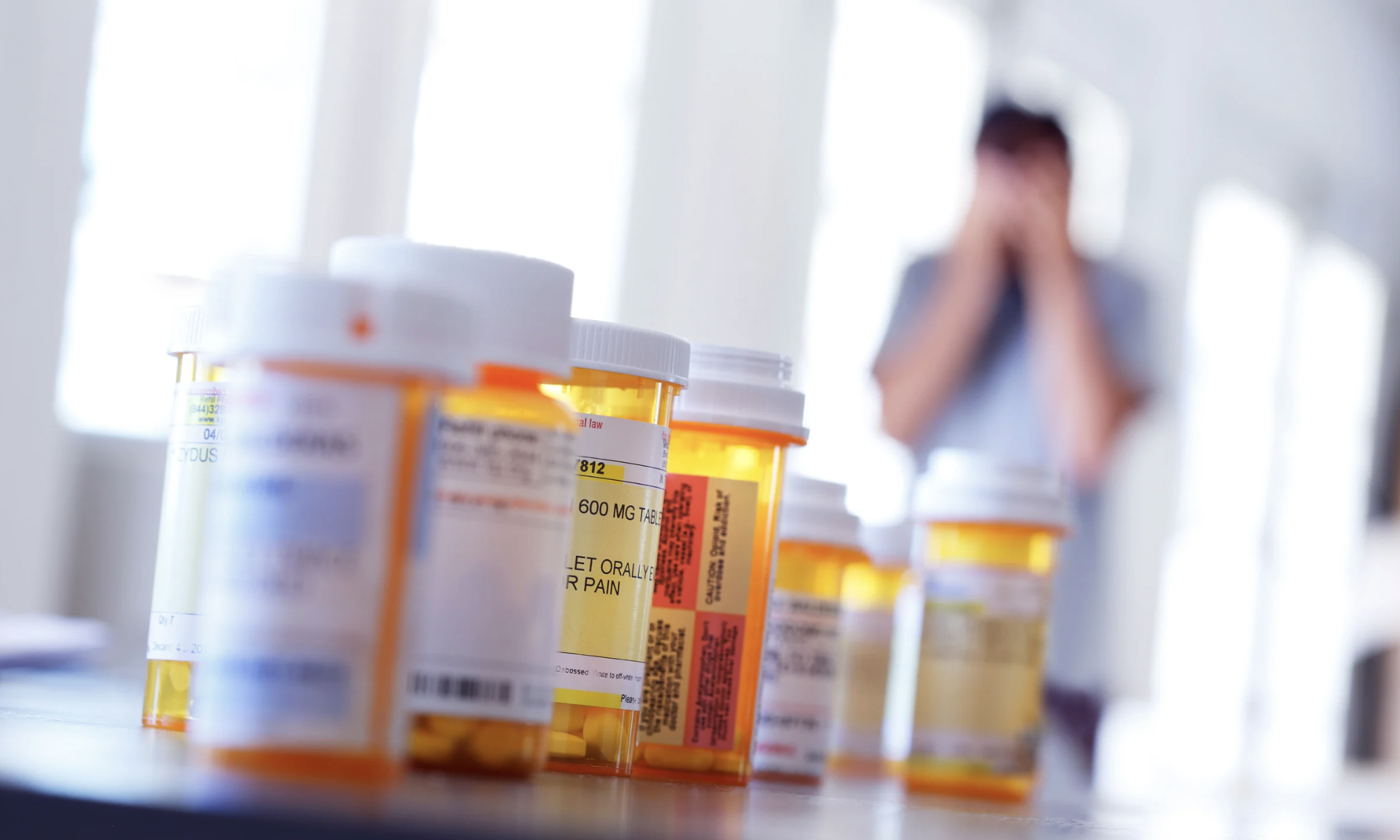
For many patients, the next step traditionally involves either switching to another antidepressant or adding another medication to their regimen. But both options can bring additional side effects and uncertainty about whether symptoms will improve.
That’s why researchers continue to explore alternative treatments that target depression in different ways.
The ASCERTAIN-TRD Study
The ASCERTAIN-TRD clinical trial examined three treatment approaches for individuals whose depression had not improved with current medications:
- Switching to a different antidepressant
- Adding an additional medication (aripiprazole)
- Adding repetitive Transcranial Magnetic Stimulation (rTMS)
The multisite study included more than 250 adults with treatment-resistant depression who were treated for eight weeks.
Researchers found that adding rTMS to an existing antidepressant was more effective than simply switching medications when measuring clinician-rated depression severity.
These findings suggest that brain-stimulation therapies like TMS should be considered earlier in the treatment process rather than only after multiple medication failures.
How TMS Therapy Works
TMS therapy is a noninvasive, FDA-approved treatment for anxiety, depression, and OCD that uses gentle magnetic pulses to stimulate areas of the brain involved in mood regulation.
Unlike medications, which affect the entire body, TMS directly targets the neural circuits associated with depression. This can help improve communication between brain regions that are underactive in individuals experiencing depressive symptoms.
Another major advantage of TMS is convenience. Treatments typically take 10–20 minutes per session, and patients remain awake and comfortable throughout the process. Because the treatment is noninvasive, there is no anesthesia and no recovery time, allowing patients to return to normal daily activities immediately after each session.
TMS Therapy at The Center for Brain Stimulation
At the Center for Brain Stimulation, TMS therapy is offered as an advanced treatment option for individuals struggling with anxiety, depression, or OCD that has not responded to traditional medications.
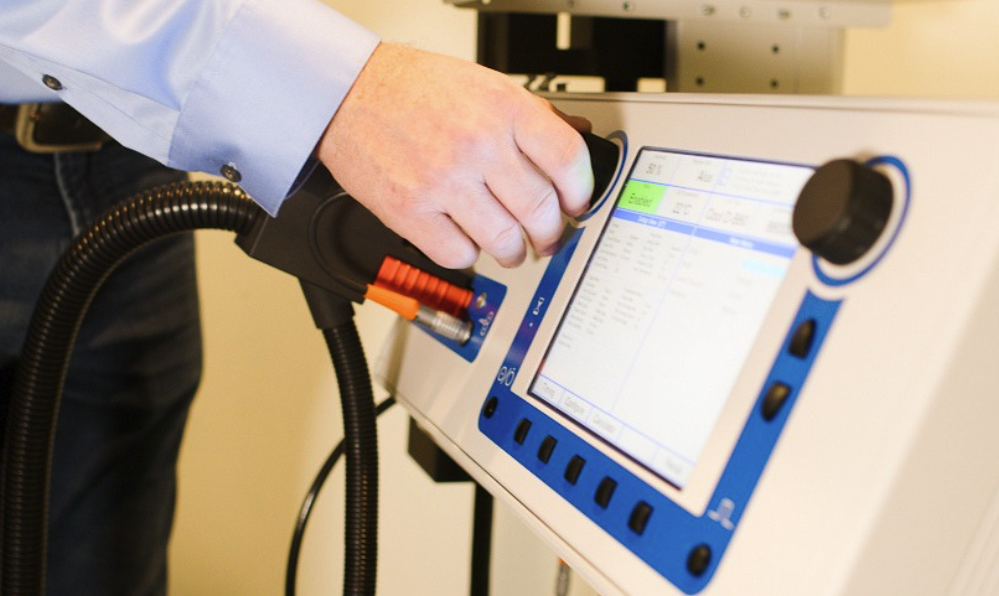
The center combines state-of-the-art technology with personalized care, helping patients explore evidence-based solutions that go beyond prescription medications alone. Treatment plans are carefully tailored to each patient’s unique needs, ensuring both safety and comfort throughout the process.
For individuals who feel stuck in the cycle of medication changes without lasting relief, innovative treatments such as TMS Therapy may offer something many thought was out of reach: renewed hope and a path toward lasting recovery.
To request an appointment and see if you or a loved one would be a good candidate for TMS Therapy, contact the Center for Brain Stimulation today.