

Depression is often misunderstood as simply “feeling sad,” but the reality is that it can show up in many ways. If you’ve ever wondered, “Am I depressed?”, you’re not alone. Understanding the signs is the first step toward getting the support you deserve.
Can You Be Depressed Without Feeling Sad?
The short answer? Yes. Depression doesn’t always look like sadness. While persistent low mood is a common symptom, many people experience depression as fatigue, irritability, lack of motivation, or emotional numbness. You may find yourself losing interest in activities you once enjoyed, struggling to concentrate, or feeling disconnected from others.
According to clinical research, depression can also present with physical symptoms such as changes in sleep, appetite, or energy levels. This is why some people don’t immediately recognize what they’re experiencing as depression; it doesn’t match the stereotype.
What Is “Silent Depression”?
“Silent depression” isn’t a formal medical diagnosis, but it’s often used to describe individuals who appear to function normally on the outside while struggling internally.
People with silent depression may:
- Maintain work, family, and social responsibilities
- Avoid talking about their feelings
- Downplay or dismiss their symptoms
- Feel a constant internal sense of emptiness or exhaustion
Because these individuals are still “showing up” in daily life, their symptoms can go unnoticed by others and even by themselves.

Recognizing Depression in Later Stages of Life
Depression can also look different in older adults. Instead of expressing sadness, individuals in later life may experience:
- Increased irritability or restlessness
- Memory issues or difficulty concentrating
- Loss of interest in hobbies or social activities
- Physical complaints without a clear cause
Research shows that depression in older adults is sometimes underdiagnosed because symptoms are mistaken for normal aging or other health conditions. Recognizing these signs early is key to improving quality of life and overall well-being.
What Should You Do If You Think You Might Be Depressed?
If you suspect you may be experiencing depression, the most important step is not to ignore it. Start by:
- Talking to a healthcare provider or mental health professional
- Keeping track of your symptoms and how long they’ve lasted
- Reaching out to someone you trust for support
- Exploring treatment options that fit your needs
Depression is highly treatable, and there are more options available today than ever before.
When Traditional Treatments Aren’t Enough
For some individuals, medications and talk therapy provide relief. But for those experiencing treatment-resistant depression, symptoms may persist despite trying multiple approaches.
This is where Transcranial Magnetic Stimulation (TMS) can make a difference.
At The Center for Brain Stimulation, TMS therapy offers a noninvasive, FDA-approved treatment that targets the areas of the brain involved in mood regulation. Sessions are typically 10–20 minutes and require no anesthesia or downtime. Allowing patients to continue their day as normal.
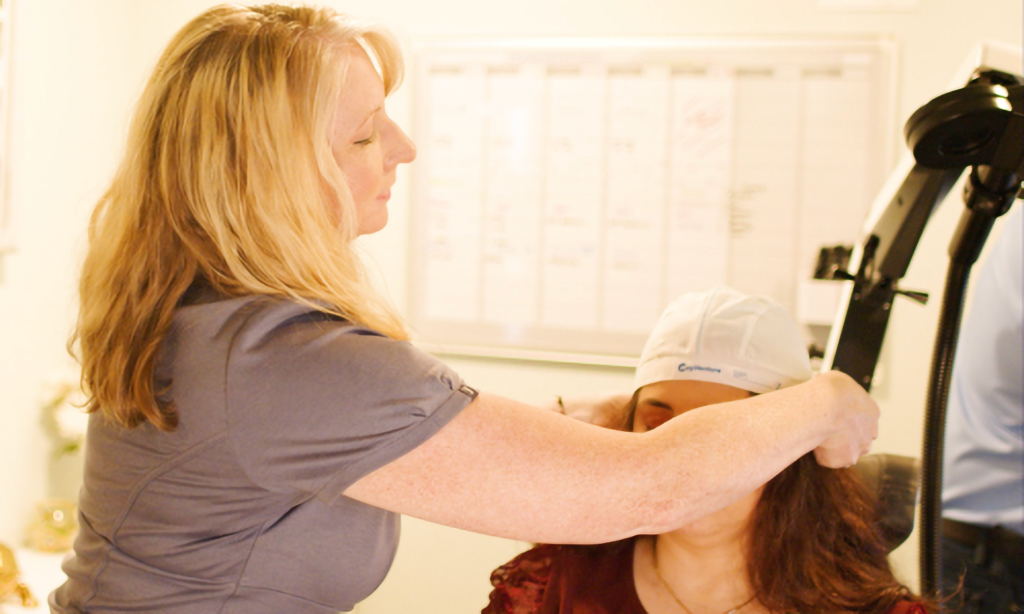
By directly stimulating underactive regions of the brain, TMS helps restore healthier brain function and offers hope for individuals who may feel stuck or discouraged.
You’re Not Alone
Depression doesn’t always look the way you expect, but that doesn’t make it any less real. Whether your symptoms are obvious or subtle, early or long-standing, help is available.
If you’re asking yourself, “Am I depressed?”, it may be time to explore your options. Take our self-assessment quiz and see if TMS Therapy may be the next step for you.