
For individuals struggling with depression, anxiety, or OCD, finding the right treatment can feel overwhelming. Especially after trying multiple medications without lasting relief. Fortunately, advances in medical technology have introduced new options that have proven results and with little-to-no side effects.
Transcranial Magnetic Stimulation (TMS), a non-invasive treatment designed to help patients who have not responded well to traditional antidepressants.
What Does “Non-Invasive” Mean?
A non-invasive treatment does not require surgery, implants, sedation, or anesthesia. Unlike procedures that involve entering the body or altering brain chemistry through medication, TMS uses gentle magnetic pulses applied externally to stimulate targeted areas of the brain associated with mood regulation.
During treatment, a magnetic coil is positioned comfortably near the scalp. The pulses pass painlessly through the skull to stimulate underactive neural pathways linked to depression and other mental health conditions. Sessions typically last just 10–20 minutes, and patients can immediately return to normal daily activities afterward.
TMS vs. Antidepressants
Traditional antidepressants work by changing chemical activity throughout the entire body. While many people benefit from medication, others experience side effects such as:
- Weight gain
- Fatigue
- Digestive issues
- Sleep disturbances
- Sexual dysfunction
For some patients, medications may stop working over time or require multiple adjustments to maintain effectiveness.
TMS therapy works differently. Rather than affecting the whole body, TMS directly targets specific brain regions involved in mood, anxiety, and compulsive behaviors. Because it is localized, side effects are generally mild and temporary. This may include scalp discomfort or headaches.
This makes TMS an appealing option for individuals seeking treatment without adding another prescription medication. Many patients begin noticing improvements within the first few weeks of treatment.
TMS vs. ECT
TMS is also frequently compared to Electroconvulsive Therapy (ECT), another brain stimulation treatment used for severe depression.
While ECT can be highly effective, it involves electrically inducing seizures under general anesthesia. Patients typically require recovery time afterward, and some may experience memory or cognitive side effects.
TMS is NOT ECT and differs significantly:
- No anesthesia required
- No induced seizures
- No memory loss associated with treatment
- No recovery or downtime
- Performed in an outpatient setting
According to the National Institute of Mental Health, TMS provides more targeted stimulation with milder side effects compared to ECT.
TMS Therapy Offered at The Center for Brain Stimulation
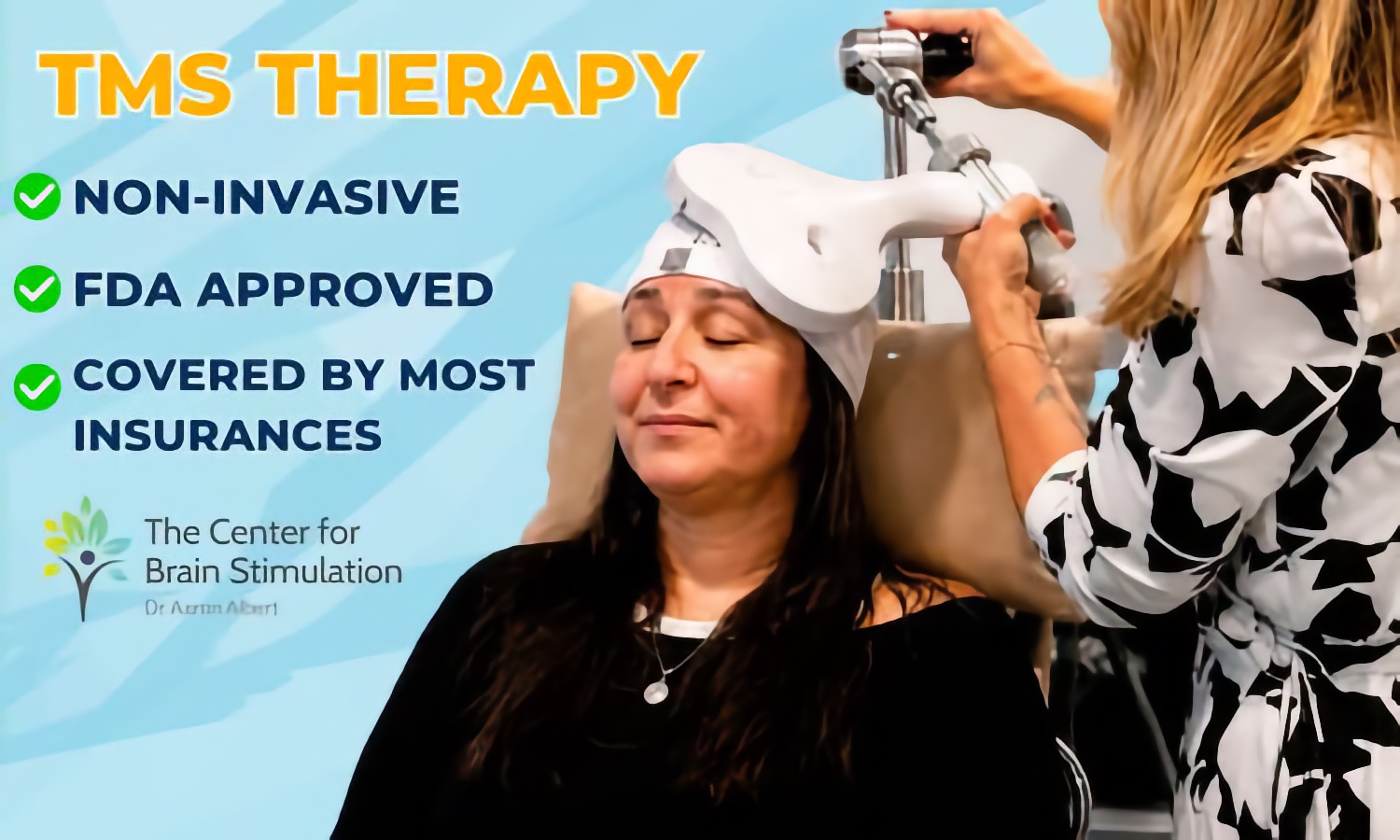
At The Center for Brain Stimulation, located in Wilmington North Carolina, their mission is to help treat those struggling with treatment-resistant depression, anxiety, or OCD through TMS Therapy.
The center combines state-of-the-art equipment with a compassionate clinical team dedicated to helping patients feel supported throughout every stage of treatment. From the initial consultation to ongoing care, the focus is on creating a safe, welcoming environment where healing feels possible.
For individuals living with depression, anxiety, OCD, or treatment-resistant symptoms, TMS offers a modern, non-invasive approach that helps restore hope without surgery, sedation, or life-disrupting side effects. Contact the Center for Brain Stimulation today and request an appointment.